

News & Press Releases
April 14, 2026
Why Lab Data Fails in Production
The hidden high cost of testing materials under the wrong conditions Your rheometer data says the resin flows at 80°C.…
April 14, 2026
Test Under Your Actual Process Conditions
Why reference-temperature data doesn’t predict process behavior Your rheometer reports gel time at 160°C isothermal hold: 8 minutes. Your molding…
September 19, 2025
How the RPA Enables Product Innovation
Organizations around the world use the Premier RPA for research into product innovations that improve quality and promote sustainability. Here…
June 19, 2025
Why Your Polypropylene Tg Might Be Wrong, And What to Do About It
Polymer scientists and product engineers have long relied on standard techniques like Differential Scanning Calorimetry (DSC) and Dynamic Mechanical Analysis…
June 19, 2025
How Backbone Structure Drives Polypropylene’s Thermal Behavior, Measured in Under 30 Minutes
When working with polypropylene (PP), small adjustments to chemistry can shift thermal behavior dramatically. Engineers and formulators need to know…
June 19, 2025
One Test, Three Critical Properties: Tg, Tm, and Viscosity All at Once
In most labs, developing a full thermal and rheological profile for polypropylene (PP) samples means coordinating between three instruments, multiple…
April 4, 2025
Bound rubber as a means to product life cycle optimization
Fillers can serve a wide range of functions within a polymer compound. A filler may improve performance characteristics, such as…
April 4, 2025
Understanding Heat Buildup in Rubber Products
Heat generation is inevitable for any rubber product or material that experiences cyclic loading while in service. This includes tires,…
April 4, 2025
What Is Bound Rubber? And How Does It Affect Filled Rubber Compounds?
A brief guide to bound rubber Bound rubber is the result of interactions between polymer chains and fillers, such as…
News & Press Releases
Case Studies

Why Lab Data Fails in Production
The hidden high cost of testing materials under the wrong conditions Your rheometer data says the resin flows at 80°C.…
Test Under Your Actual Process Conditions
Why reference-temperature data doesn’t predict process behavior Your rheometer reports gel time at 160°C isothermal hold: 8 minutes. Your molding…

How the RPA Enables Product Innovation
Organizations around the world use the Premier RPA for research into product innovations that improve quality and promote sustainability. Here…
Why Your Polypropylene Tg Might Be Wrong, And What to Do About It
Polymer scientists and product engineers have long relied on standard techniques like Differential Scanning Calorimetry (DSC) and Dynamic Mechanical Analysis…
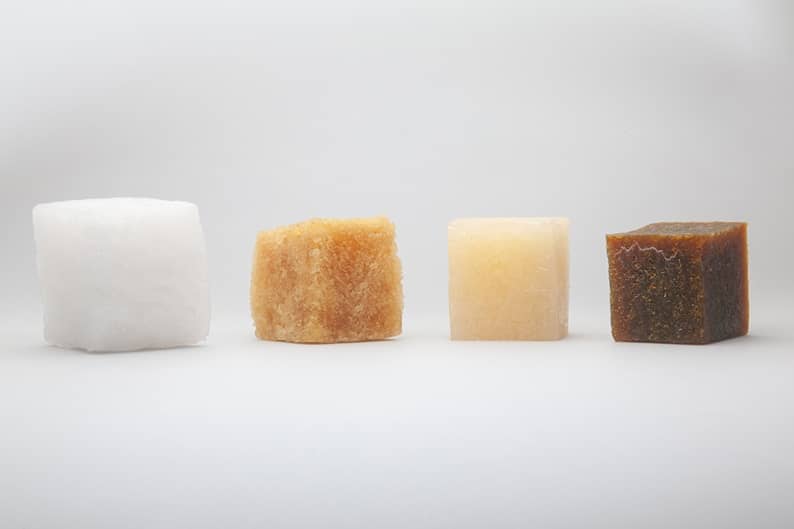
How Backbone Structure Drives Polypropylene’s Thermal Behavior, Measured in Under 30 Minutes
When working with polypropylene (PP), small adjustments to chemistry can shift thermal behavior dramatically. Engineers and formulators need to know…
One Test, Three Critical Properties: Tg, Tm, and Viscosity All at Once
In most labs, developing a full thermal and rheological profile for polypropylene (PP) samples means coordinating between three instruments, multiple…
Bound rubber as a means to product life cycle optimization
Fillers can serve a wide range of functions within a polymer compound. A filler may improve performance characteristics, such as…
Understanding Heat Buildup in Rubber Products
Heat generation is inevitable for any rubber product or material that experiences cyclic loading while in service. This includes tires,…
What Is Bound Rubber? And How Does It Affect Filled Rubber Compounds?
A brief guide to bound rubber Bound rubber is the result of interactions between polymer chains and fillers, such as…
Webinars
Why Lab Data Fails in Production
The hidden high cost of testing materials under the wrong conditions Your rheometer data says the resin flows at 80°C. Your molding press […]
Test Under Your Actual Process Conditions
Why reference-temperature data doesn’t predict process behavior Your rheometer reports gel time at 160°C isothermal hold: 8 minutes. Your molding press uses a […]
How the RPA Enables Product Innovation
Organizations around the world use the Premier RPA for research into product innovations that improve quality and promote sustainability. Here are examples of […]
Why Your Polypropylene Tg Might Be Wrong, And What to Do About It
Polymer scientists and product engineers have long relied on standard techniques like Differential Scanning Calorimetry (DSC) and Dynamic Mechanical Analysis (DMA) to pinpoint […]
How Backbone Structure Drives Polypropylene’s Thermal Behavior, Measured in Under 30 Minutes
When working with polypropylene (PP), small adjustments to chemistry can shift thermal behavior dramatically. Engineers and formulators need to know exactly how ethylene […]
One Test, Three Critical Properties: Tg, Tm, and Viscosity All at Once
In most labs, developing a full thermal and rheological profile for polypropylene (PP) samples means coordinating between three instruments, multiple operators, and a […]
Bound rubber as a means to product life cycle optimization
Fillers can serve a wide range of functions within a polymer compound. A filler may improve performance characteristics, such as strength or durability, […]
Understanding Heat Buildup in Rubber Products
Heat generation is inevitable for any rubber product or material that experiences cyclic loading while in service. This includes tires, industrial belts, and […]
What Is Bound Rubber? And How Does It Affect Filled Rubber Compounds?
A brief guide to bound rubber Bound rubber is the result of interactions between polymer chains and fillers, such as carbon black or […]
[gravityform id="2" title="false"]